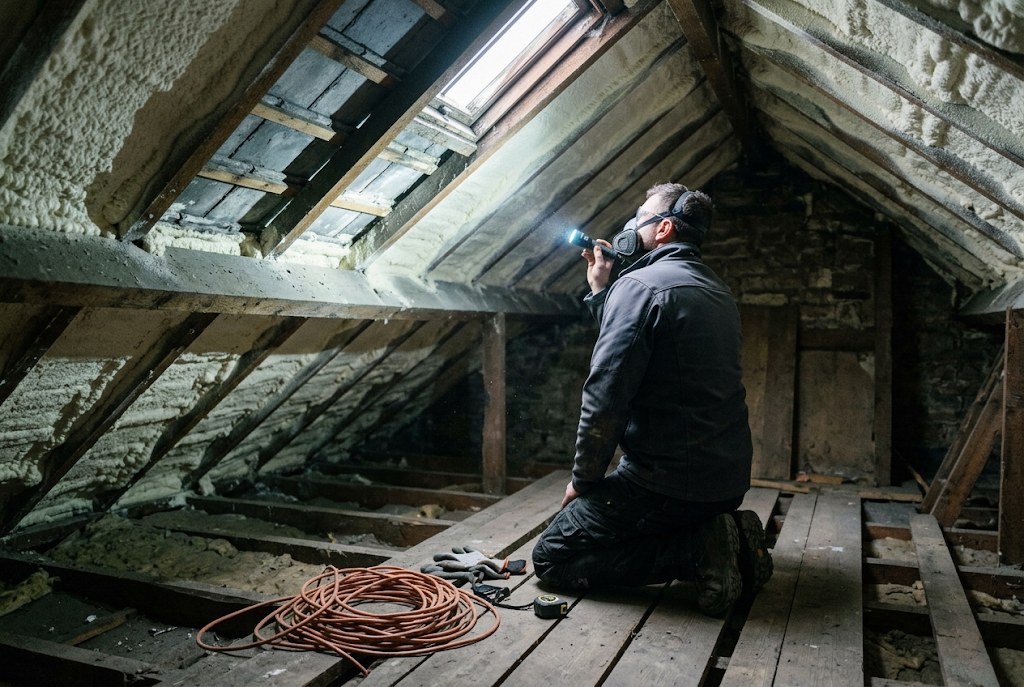
An inspector goes up into your loft, identifies the foam, tests the rafters and emails you a photographed report that sellers, buyers, lenders and landlords across Bolton can read in minutes. Roof surveys from £195. Removal is quoted separately in writing, and only when the survey supports it.
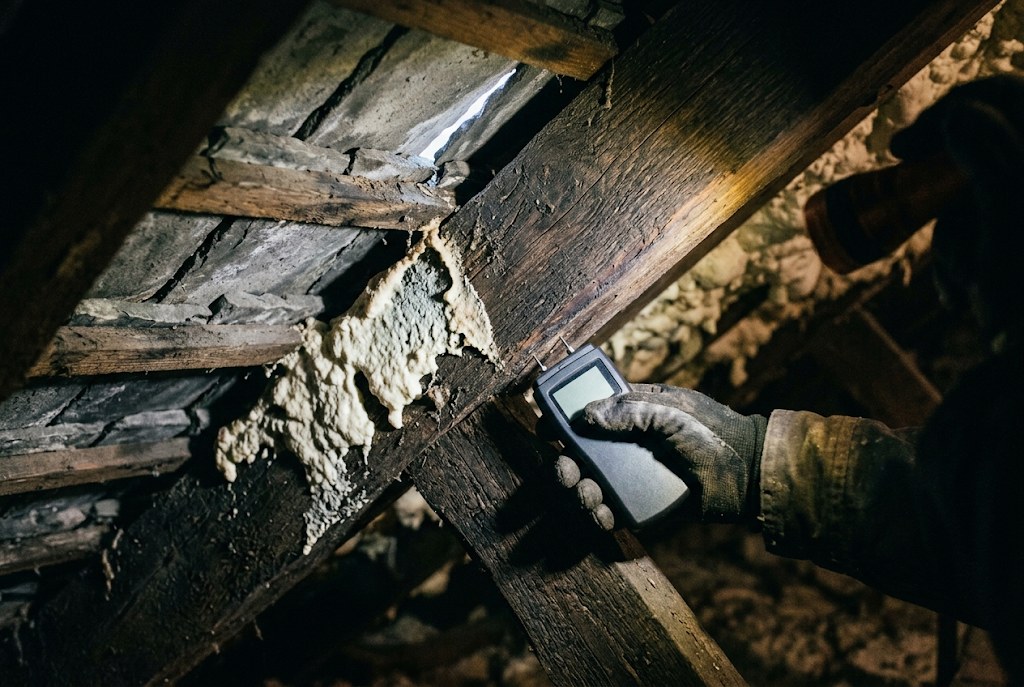
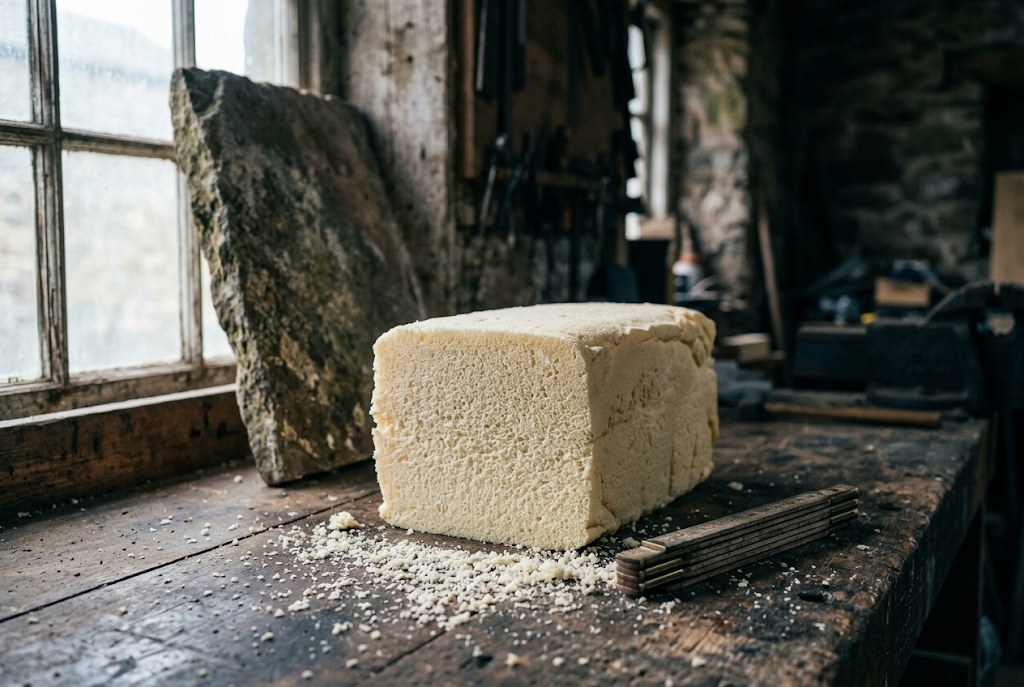

Look first, strip later. Foam only comes off when the timber gives a reason.
Plenty of foam does no harm for years, and some of it conceals trouble. We find out which kind you have by taking readings on the wood, then explain your choices plainly.
Four ways to deal with spray foam in a roof, ranked by cost. The cheapest one is the one you choose.
Everything below is included. There is nothing else to pay.
Not on the day, not on the invoice, not afterwards.
The report records what we could see and what we could not, so nobody is guessing later. Take it to any contractor you like.
Selling, buying, remortgaging or just worried about the roof? Start with an assessment of what is actually under the tiles.
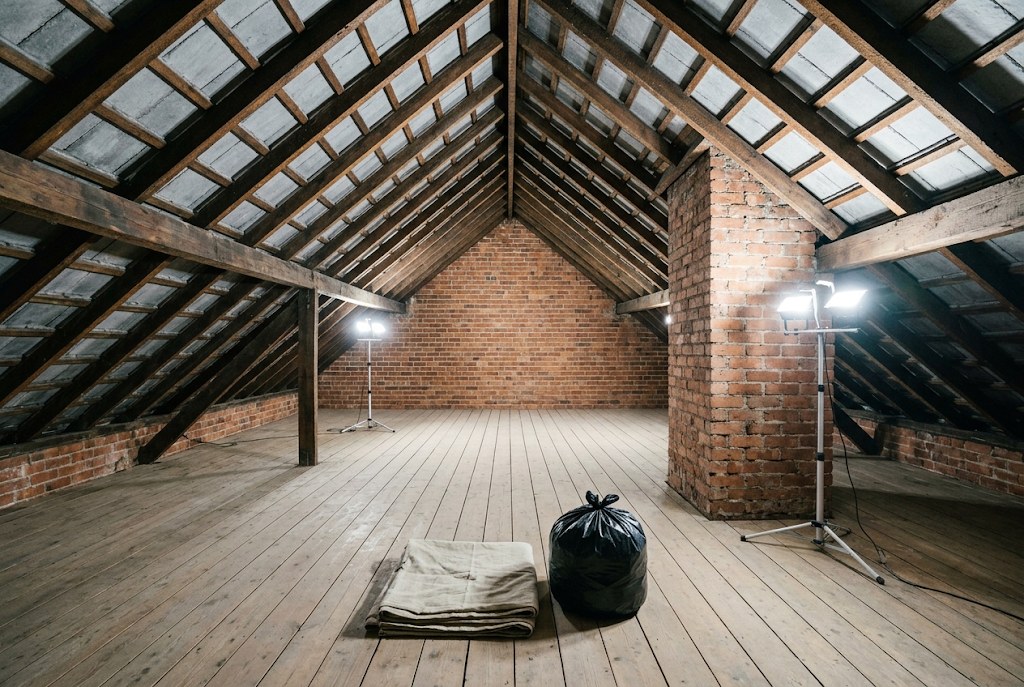
Where the survey supports it, we put a removal quote in writing. Operatives in respirators lay dust sheets, take the foam off by hand and bag and remove every scrap of waste.
What makes Bolton homeowners pick up the phone.

A buyer's surveyor or lender has flagged spray foam under the roof. You need to know what is there before the sale stalls.
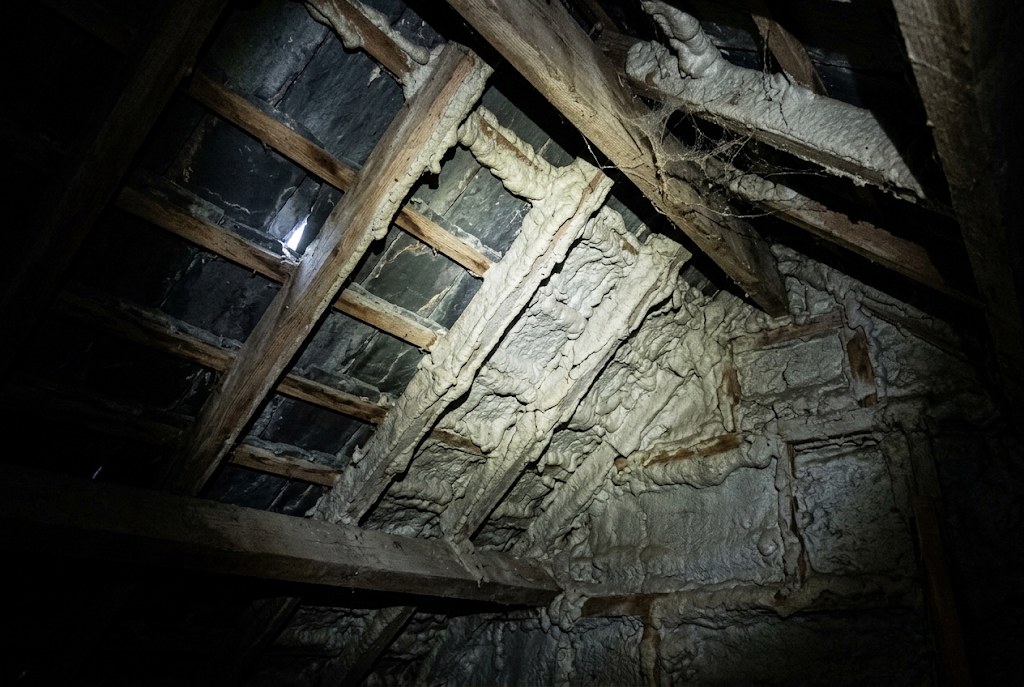
The seller says it is fine. A written assessment tells you what it is, what condition the timbers are in and what removal would involve.
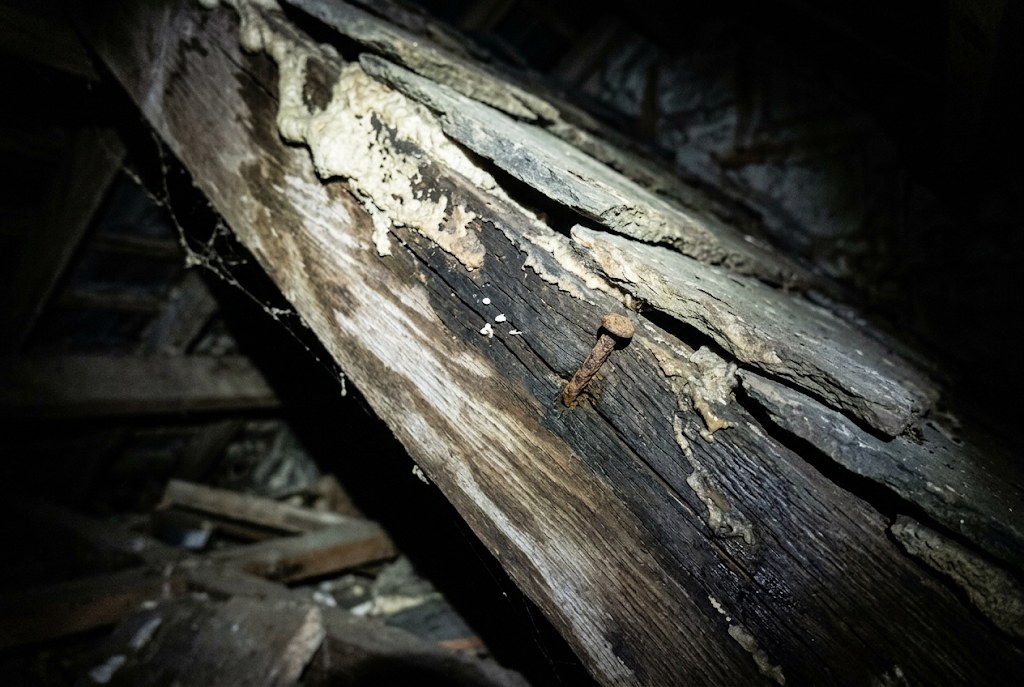
Foam can hold moisture against rafters and battens. Staining, mould or a stale smell are the signs worth checking.
Installers and lenders want to know what is under the tiles before anything is fixed to the roof.
Not every foamed roof needs stripping. Get the foam type, thickness and timber condition measured before you decide.
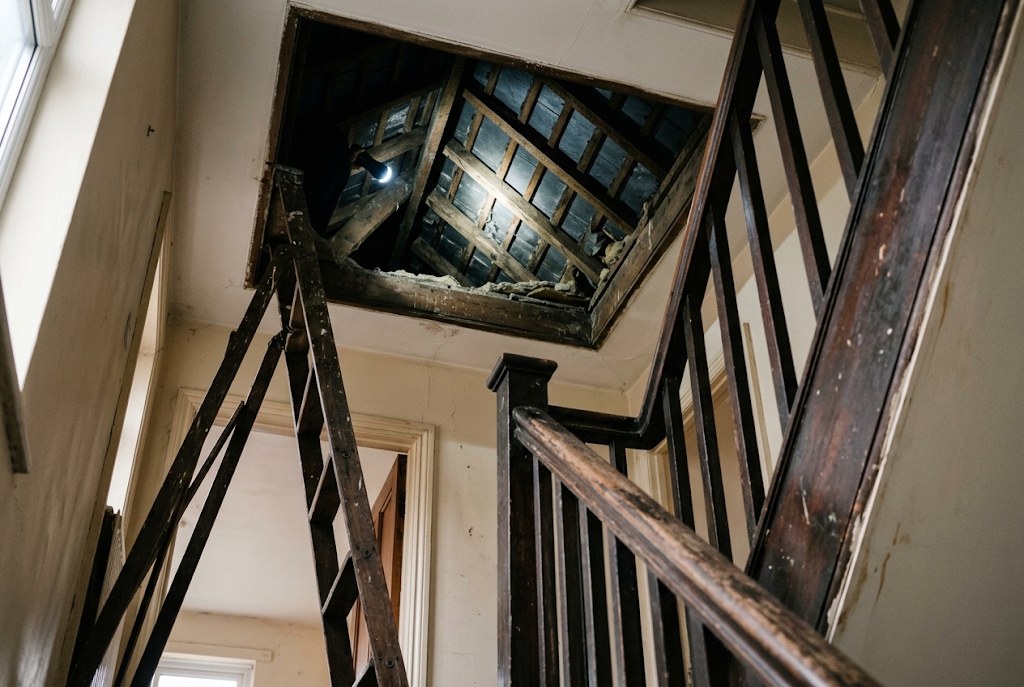
Landlords and agents with foamed roofs in the portfolio need a record of what is there and what state it is in.
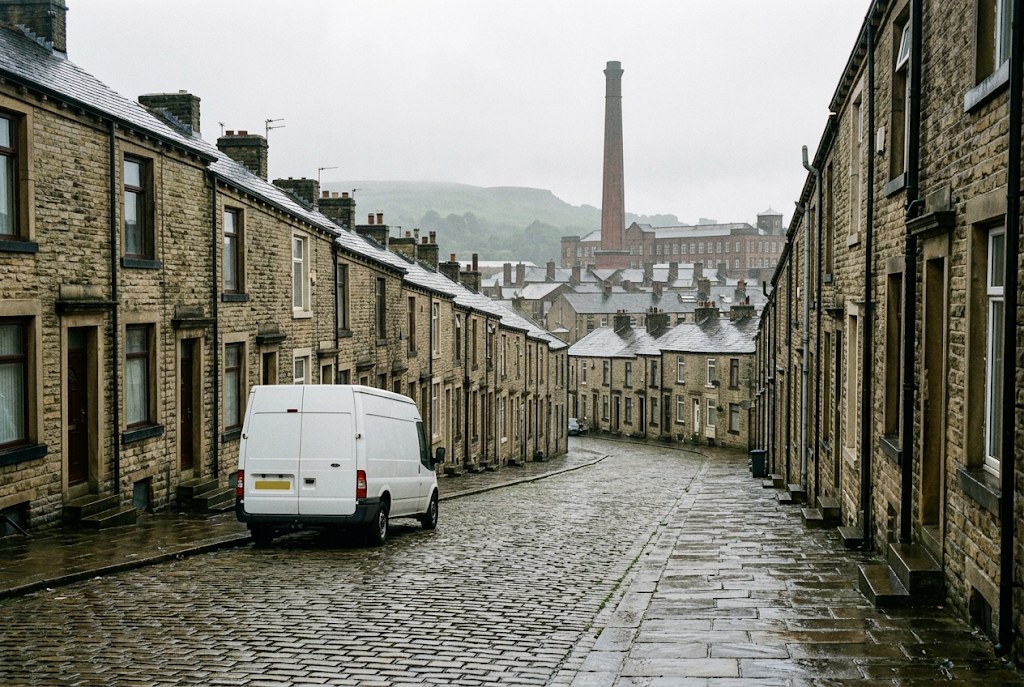
Bolton grew up on cotton, and its housing still shows it: rows of Victorian mill terraces in Halliwell and Farnworth, larger Victorian and Edwardian villas in Heaton, 1930s estates around Deane and Breightmet, and stone-built houses on the moorland edge at Smithills and Horwich. Slate, stone flag and concrete tile roofs all take a hard time from Pennine rain, and plenty have been converted, re-lined or insulated since they were built. Foam sprayed under the covering is now a regular question whenever a Bolton home is valued, sold or remortgaged.
Welsh slate, stone flags or concrete tile, then battens, felt and rafters. We record how each layer is holding up under the foam.
Usually within a few days. We text the inspector's name and an arrival window.
The inspector checks the foam type, thickness and coverage, looks at the timbers wherever they can be seen and takes moisture readings.
Every finding is recorded with photos and locations, with a clear recommendation: leave it, monitor it, remove part or remove all.
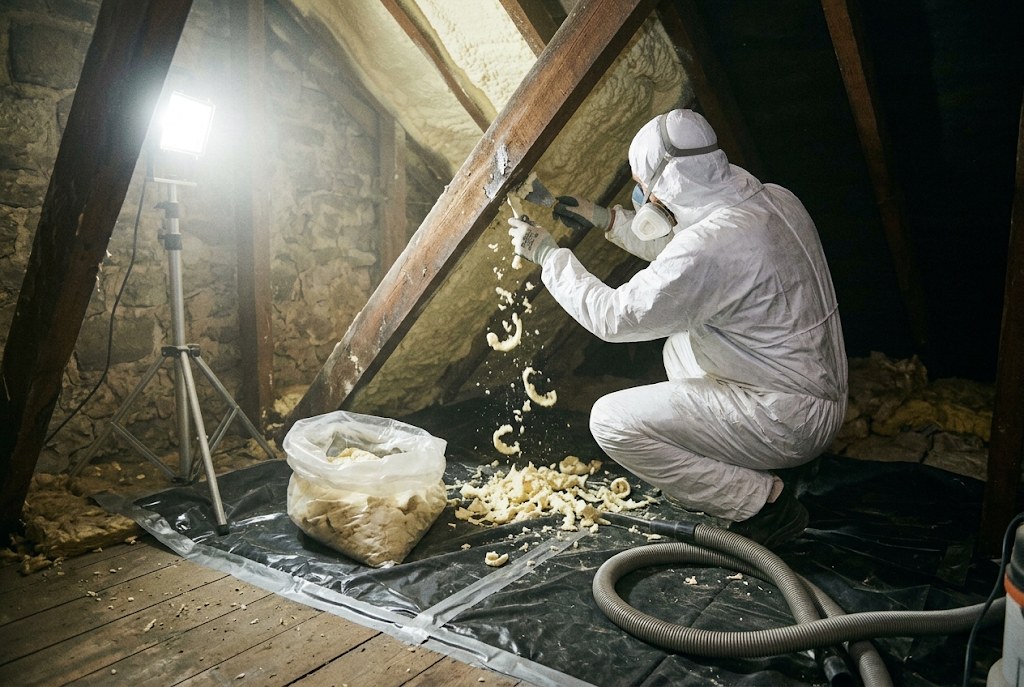
If foam has to come off, you get a written removal quote based on the report. There is no obligation to use us.
Been told every trace must be stripped? Ask us for a free second opinion. Nobody can say that with confidence until the rafters have been measured with a moisture meter.
Bolton (BL1, BL2, BL3, BL4 and BL6) and its neighbourhoods, from Smithills, Heaton and Halliwell to Deane, Farnworth, Breightmet and Horwich. Our inspector is based around Bolton, so most visits can be booked within a few working days.
£195 fixed. Written report. Yours to keep.